


Cats vs. Dogs – Unveiling the Myths and Maintaining a Happy, Healthy Home
- Petlovers Daily
- Jun 20, 2024
- 6 min read

For pet lovers, the age-old question ignites passionate debate: are cats or dogs cleaner pets? From fervent feline fanatics to devoted dog companions, each side champions their preferred species with unwavering conviction. But the truth, like many things in life, isn't as simple as a binary choice. Both cats and dogs exhibit unique hygiene habits, and their perceived cleanliness depends on a multitude of factors. Let's embark on a journey into the fascinating world of pet hygiene, debunk some common myths, and explore strategies to create a harmonious and hygienic environment for both you and your furry friend.
The Feline Advantage: A Natural Obsession with Cleanliness

Cats are renowned for their meticulous grooming rituals. Imagine a luxurious spa day, feline edition! They dedicate a significant portion of their day to diligently licking and cleaning their fur, meticulously removing dirt, debris, and loose fur. This fastidious approach keeps them relatively free of dirt and allergens, potentially making them a good choice for some people with allergies (although remember, allergies vary, and some individuals might be allergic to cat dander regardless of meticulous grooming). Additionally, cats are trained to use a litter box, conveniently confining their bathroom needs to a designated location. This is a clear advantage for those living in apartments or with limited access to outdoor space, compared to dogs who might require frequent walks and potty breaks.
Cats are not just masters of self-presentation; they're also surprisingly adept at managing their waste disposal. Their fastidious nature extends to their litter box habits. Cats prefer a clean and odor-free environment when it comes to elimination, and they instinctively bury their waste after using the litter box. This natural behavior helps control unpleasant odors and keeps the litter box relatively hygienic. However, various factors can influence a cat's litter box habits, such as stress, a dirty litter box, or medical issues. Providing a clean litter box in a quiet location is crucial for maintaining good hygiene and preventing accidents outside the designated area.
The Canine Challenge: Adorable Mess-Makers with Hearts of Gold

Dogs, on the other hand, can be more prone to getting dirty due to their playful nature and adventurous spirit. Remember those heartwarming (and sometimes hilarious) videos of dogs rolling in mud, splashing through puddles, or gleefully chasing butterflies through tall grass? These adorable antics can quickly transform a clean pup into a furry mess. Their boundless energy and desire to explore often lead them into situations that might not be the epitome of cleanliness – think questionable-smelling patches of earth or fragrant (to a dog, at least) encounters with wildlife. This generally means more frequent bathing for dogs, especially for breeds with long or double coats that trap dirt and debris more easily. However, some dog breeds like poodles are known for their low-shedding, hypoallergenic coats, requiring less frequent bathing and potentially making them a better fit for allergy sufferers (again, individual allergies may vary).
It's Not Just About Baths: Shedding and Dental Hygiene – A Universal Concern
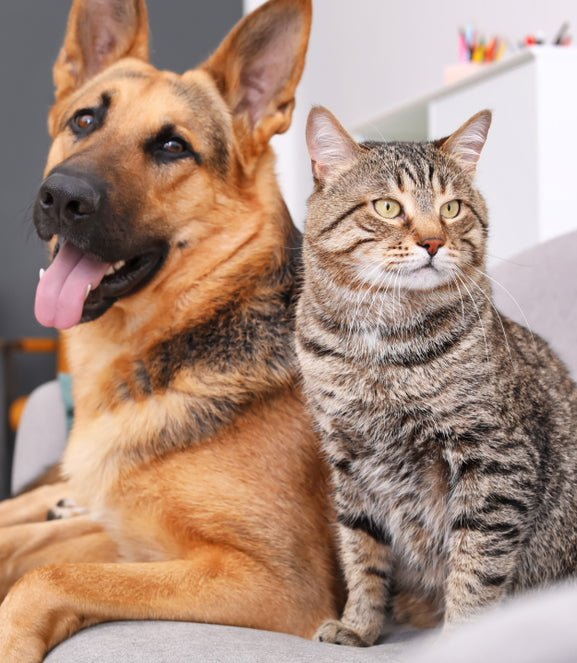
Both cats and dogs shed fur, although the amount and frequency can vary significantly. Short-haired breeds might shed a minimal amount throughout the year, while long-haired breeds might experience seasonal shedding "blowouts" where large amounts of fur are lost. Regular brushing for both cats and dogs is essential for managing shedding and preventing loose fur from accumulating in your home. Imagine walking on a cloud of fur every day – not exactly ideal! Brushing also helps distribute natural oils throughout their fur, keeping it healthy and shiny.
Another crucial aspect of pet hygiene that often gets overlooked is dental care. Neglecting dental health can lead to bad breath, gum disease, and even tooth loss in both cats and dogs. Just like humans, pets require regular dental care to maintain a healthy mouth. Establishing a routine that includes regular brushing (with pet-specific toothpaste, of course!) and annual dental checkups with your veterinarian is essential for preventing future problems.
Beyond Species: Individual Needs and Training Play a Role

The overall cleanliness of a pet can also be influenced by individual factors beyond just species. A well-trained dog who understands commands like "leave it" or "off" might be less likely to roll in smelly patches during walks. Additionally, lifestyle plays a significant role. Indoor cats might have fewer opportunities to get dirty compared to outdoor dogs who spend a substantial amount of time exploring the great (and sometimes muddy) outdoors. Living in an apartment with limited outdoor access might make a cat seem cleaner simply because they have fewer opportunities to encounter dirt and debris.
Diet and Supplements: Building a Foundation for Internal and External Health

Just like humans, a healthy diet plays a vital role in a pet's overall hygiene. A balanced diet rich in essential nutrients promotes healthy skin and fur, which can be more resistant to dirt and allergens. For dogs, consider high-quality kibble or wet food formulated for their breed and activity level. For cats, choose a diet that caters to their specific needs, such as kitten food for growing felines or senior cat food for older companions. Consulting your veterinarian about your pet's dietary needs is crucial, especially if they have any allergies or health conditions.
Supplements can also be beneficial in maintaining your pet's hygiene. Omega-3 fatty acids, for example, can promote healthy skin and a shiny coat, reducing excessive shedding and flakiness. Always consult your veterinarian before introducing any supplements to your pet's routine, as some can interact with medications or have unintended side effects.
Creating a Clean

and Healthy Environment for Your Furry Friend
Now that we've explored the hygiene habits of both cats and dogs, let's delve into strategies for creating a clean and healthy environment for your furry friend (and yourself!). Here are some key tips:
Regular Grooming: Brush your cat or dog regularly to remove loose fur, dirt, and debris. The frequency of brushing will depend on your pet's breed and coat type.
Bathing: Bathe your dog as needed, typically every 4-6 weeks for short-haired breeds and more frequently for long-haired breeds. Use a gentle shampoo specifically formulated for dogs and avoid over-bathing, which can dry out their skin. For cats, bathing is usually not necessary as they are self-groomers. However, occasional baths might be required for longhaired breeds or in situations where they get particularly dirty.
Clean Litter Boxes and Bedding: For cats, maintain a clean litter box by scooping waste daily and changing the litter completely every 1-2 weeks. For both cats and dogs, wash their bedding regularly to remove fur, dirt, and allergens.
Regular Vacuuming and Cleaning: Vacuum carpets and furniture regularly to remove pet hair and dander. Wipe down surfaces with pet-safe cleaning products to remove dirt, allergens, and pet accidents.
Nail Trimming: Regularly trim your pet's nails to prevent them from getting too long and uncomfortable. This can also help minimize scratches on furniture and your own skin.
Parasite Prevention: Use veterinarian-recommended flea and tick preventative medications to protect your pet from these pesky parasites.

Beyond Cleanliness: Addressing Underlying Issues
Sometimes, excessive shedding, scratching, or changes in litter box habits can indicate underlying health problems in both cats and dogs. If you notice any significant changes in your pet's hygiene routine, consult your veterinarian to rule out any medical conditions.
The Real Winner: A Happy and Healthy Pet, Loved and Cared For by a Responsible Owner
Ultimately, the question of whether cats or dogs are cleaner isn't about crowning a champion. Both species can be wonderful companions, and their cleanliness depends on a multitude of factors like breed, lifestyle, training, and most importantly, your dedication as a pet owner. Regular grooming, brushing, dental care, veterinary checkups, and maintaining a clean environment are crucial for the health and hygiene of both cats and dogs.
Living in Harmony with Your Furry Friend

By understanding your pet's natural hygiene habits and implementing the strategies outlined above, you can create a clean and healthy home for both you and your furry companion. Remember, a happy and healthy pet, regardless of species, is a clean pet. So, shower them with love, provide proper care, and enjoy the unique companionship that only a cat or dog can offer!
Bonus Tip: Consider investing in high-quality grooming tools like brushes, shampoos, and nail clippers specifically formulated for your pet's coat type and needs. This will not only make grooming easier and more efficient but also help maintain their fur and skin health while minimizing shedding and promoting overall cleanliness.
The next time someone asks you, "Cats or dogs? Who's cleaner?" you can confidently respond with a smile, "It depends! But a well-cared-for pet is the cleanest kind, regardless of fur or whisker!" After all, a happy and healthy home is a home filled with love, laughter, and maybe a few paw prints or scattered cat toys – all part of the joy of sharing your life with a furry friend.


Comments